
Request A Quote
Industry Insights & Apparel News

Apparel & Fashion Manufacturing Blog

Stay updated with the latest fashion trends, private label manufacturing guides, and wholesale clothing business strategies.

0%

Global sourcing for Men's Dry Fit Shirts is entering a more demanding phase in 2026. Buyers now evaluate performance, traceability, lead time, and total landed cost together. A shirt may look simple, yet its supply chain can involve polyester chips, yarn spinning, knitting, dyeing, finishing, and final assembly.

The Textile Exchange Materials Market Report 2024 estimated global fiber production at 124 million tonnes in 2023. Polyester represented roughly 57% of total output, confirming its importance in moisture-wicking sportswear. This scale creates purchasing opportunities, but it also increases exposure to recycled-content claims, energy use, and inconsistent supplier documentation. Small details matter. Check fabric weight, stretch recovery, colorfastness, and drying performance through independent testing.

Trade data also deserves attention. The World Trade Organization’s World Trade Statistical Review tracks clothing as a major manufactured-goods category, with Asia remaining central to global apparel exports. However, choosing a country is not the same as choosing a capable factory. Production calendars, port access, minimum order quantities, and factory specialization can change the final result.

This guide examines how to source Men's Dry Fit Shirts globally with practical discipline. It considers supplier verification, technical specifications, sampling, compliance records, and shipment planning. The uncomfortable truth is that a low factory price can conceal higher rejection, rework, or freight costs. Supplier data is never perfectly clean. Buyers should question polished presentations, compare evidence, and keep written approval standards. Experienced sourcing teams still make mistakes, especially when demand forecasts change quickly. Better decisions come from documented checks, realistic testing, and honest review of what failed.
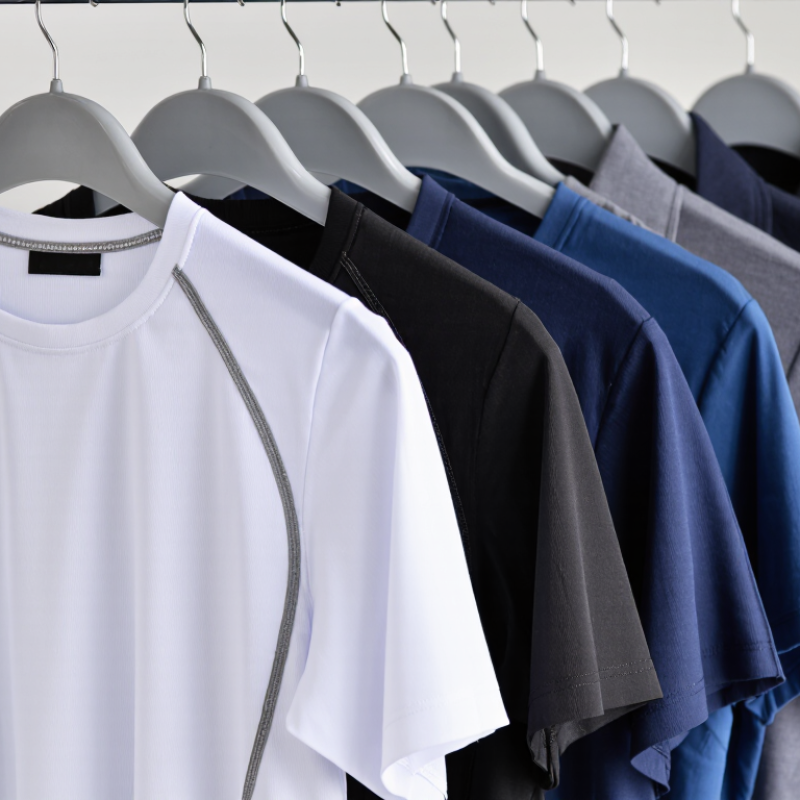
2026 How to Source Men's Dry Fit Shirts Globally?

Measure 2026 demand: WHO reports 31% of adults were inactive in 2022

Global sourcing for men’s dry fit shirts in 2026 should begin with realistic demand signals. The World Health Organization reported that 31% of adults were physically inactive in 2022. This equals roughly 1.8 billion people worldwide. The figure does not mean every inactive adult needs performance clothing. However, it highlights a large market for comfortable shirts used during walking, commuting, light exercise, and daily routines.

Demand measurement should combine health data with local buying evidence. Review search trends, retailer sell-through, gym participation, climate, and average income by region. In humid markets, buyers may value quick-drying polyester or blended fabrics. In cooler areas, they may prefer heavier fabric and relaxed layering. Do not assume one global fit works. Test shoulder width, sleeve length, collar comfort, and size grading with real users.

From practical sourcing work, supplier communication often reveals more than a catalog. Request fabric weight, drying tests, colorfastness results, and production lead times. Check whether factories can maintain consistent measurements across repeated batches. Small pilot orders reduce risk, although they may raise unit costs. That trade-off deserves attention. A low price can hide weak stitching, delayed shipping, or excessive packaging. I would also question whether “dry fit” claims match independent testing. Market forecasts can look precise, but consumer behavior remains uneven and difficult to predict.

Select fabric: polyester made up 57% of global fiber output in 2023 (TE)

2026 How to Source Men's Dry Fit Shirts Globally?

In 2026, sourcing men’s dry-fit shirts globally requires more than comparing factory prices. Dry-fit performance depends on fiber choice, yarn structure, knitting, and finishing. Textile Exchange reported that polyester represented 57% of global fiber production in 2023. This figure explains polyester’s strong presence in moisture-managing shirts. It does not provide the complete sourcing answer.

Polyester is lightweight, durable, and naturally resistant to water absorption. However, wicking depends heavily on fabric construction and surface treatment. Request fabric swatches before approving bulk production. Check weight, stretch recovery, pilling resistance, colorfastness, and dimensional stability after washing. A 130–170 GSM fabric may suit training shirts, but climate and activity level can change that decision. Small mesh panels can improve airflow around the back and underarms.

Work with suppliers that share fiber details, production locations, testing records, and shipment documentation. Ask whether the stated polyester content matches laboratory results. Independent testing can verify moisture management and restricted-substance compliance. Factory visits also reveal practical issues, such as uneven stitching, weak neck binding, or poor heat-transfer placement. These details affect returns and customer trust.

Recycled polyester may reduce reliance on new petroleum-based inputs, but its traceability needs careful checking. Certificates alone should not replace supplier interviews and sample reviews. Global sourcing can lower costs, yet longer shipping routes create delays and planning risks. I would allow extra time for corrections. That part is often underestimated.

Shortlist countries: WTO data puts China near 31% of global clothing exports

For sourcing men’s dry-fit shirts in 2026, country selection should begin with evidence, not assumptions. WTO trade data places China near 31% of global clothing exports, giving it strong production depth and material access. This scale can support polyester performance fabrics, moisture-wicking finishes, and flexible order planning. However, export share does not automatically prove quality, speed, or factory suitability.

In practical sourcing reviews, I compare countries by fabric capability, minimum order quantity, sample accuracy, compliance records, and shipping reliability. China may offer broad supplier coverage, while Vietnam, Bangladesh, Türkiye, and India can provide useful alternatives for specific costs or production needs. The best choice depends on the shirt’s weight, stretch level, colorfastness, and delivery window. A country shortlist is only a starting point. I have sometimes rated low-cost production too highly and underestimated communication delays. That mistake is expensive.

Tips: Request fabric test reports, production photos, and a physical sample before approval. Ask suppliers to explain their moisture-wicking process in measurable terms. Check whether the quoted price includes packaging, inspection, and freight assumptions. Compare at least three factories using the same technical sheet. Keep a small tolerance for shrinkage and shade variation; real production is rarely perfect. Recheck WTO figures by year, because trade shares can shift.

Set specs: verify wicking, UPF, shrinkage, GSM, and colorfastness by standards

2026 How to Source Men's Dry Fit Shirts Globally?

Dry fit sourcing starts with measurable performance, not a soft hand feel. Textile Exchange’s 2024 Materials Market Report estimates global fiber production reached 124 million tonnes in 2023. Polyester represented about 59%, making test-based selection essential for large-volume orders. Request fabric swatches, yarn details, GSM, and finishing records before sampling. For moisture management, use AATCC 195 or an equivalent laboratory method. Check absorption rate, spreading speed, and drying time. A quick factory claim is not enough.

UPF needs controlled testing under AATCC 183 or ISO 13688-linked procedures, where applicable. Ask whether results cover the finished garment, not only the fabric. Shrinkage should follow ISO 6330 washing procedures, with length and width recorded separately. A 3% change may look acceptable on paper but distort a men’s shoulder line. Measure after repeated washing. One cycle can mislead. GSM should follow ASTM D3776, while colorfastness can be checked against ISO 105 methods, including washing, rubbing, and perspiration. Specify minimum grades and test conditions in the purchase contract.

Tips: Approve a sealed reference sample. Test light and dark colors separately. Keep a pre-production report and a bulk report. Inspect random pieces from different cartons. A failed shade often hides near seams or collar edges. Also, do not rely on one laboratory. Results can vary slightly, so compare methods, tolerances, and conditioning requirements before accepting the shipment.

2026 Global Sourcing Targets for Men's Dry-Fit Shirts

Buyer-defined screening targets for verifying moisture management, sun protection, dimensional stability, fabric weight, and colorfastness. Test methods should be confirmed with an accredited laboratory.

The chart uses each metric's native unit; values are not directly comparable across different test methods. Shrinkage is shown as the maximum allowable change.

Reference methods: AATCC 195 for liquid moisture management, AATCC 183 or AS/NZS 4399 for UPF, AATCC 135 or ISO 5077 for dimensional change, ASTM D3776 for fabric mass per unit area, and ISO 105-C06 for colorfastness to domestic laundering.

Audit and buy: apply REACH, CPSIA, Incoterms, and AQL 2.5 at shipment

Global sourcing of men’s dry fit shirts starts with evidence, not attractive samples. Audit the factory’s cutting room, sewing lines, testing records, and corrective-action history. Check polyester content, colorfastness, shrinkage, odor, and moisture-wicking performance. Ask for production photos and recent laboratory reports. Samples can look perfect while bulk fabric behaves differently.

REACH compliance matters when shirts enter markets with chemical restrictions. Request tests for restricted substances, especially dyes, finishes, and plastic components. CPSIA mainly concerns children’s products, so confirm whether your product category falls within its scope. Do not copy a children’s compliance checklist for adult garments. Regulations and buyer requirements can change. Verify the current testing scope before placing the order.

Write the chosen Incoterm clearly in the purchase contract. It should define transport duties, insurance, risk transfer, and customs responsibilities. It does not replace quality control. Arrange a pre-shipment inspection when production is complete and packing is representative. Apply AQL 2.5 to the agreed sampling plan, with separate limits for critical, major, and minor defects. AQL 2.5 is not a promise of zero defects. I still leave room for judgment. A loose seam, wrong size label, or damp carton may matter more than the numerical result. Record photos, carton counts, measurements, and corrective actions before shipment.

FAQS

How should buyers estimate demand for men’s performance shirts in 2026?

Start with local evidence, not worldwide population figures. Around 31% of adults were physically inactive in 2022. This suggests comfort-driven demand, but not guaranteed purchases. Review search trends, retailer sales, gym participation, climate, and regional income. Demand can remain uneven.

Which fabric is suitable for moisture-managing shirts?

Polyester remains widely used because it is lightweight, durable, and resists water absorption. Global polyester production reached about 57% of fiber output in 2023. Construction matters more than fiber names alone. Check yarn, knitting, surface treatment, and airflow. Do not trust the label blindly.

What fabric weight should buyers consider?

A 130–170 GSM fabric may suit training shirts and warm conditions. Cooler regions may need heavier fabric for layering. Humid markets may benefit from mesh panels under the arms and across the back. The right weight depends on activity and climate.

Which tests should suppliers provide?

Request drying performance, colorfastness, pilling resistance, stretch recovery, and dimensional stability results. Wash samples before approval. Measure shrinkage with a ruler. Also inspect seam strength and collar recovery. Test reports are useful, but independent checks are safer.

How can buyers compare factories fairly?

Send the same technical sheet to at least three factories. Compare fabric details, minimum order quantities, sample accuracy, testing records, and delivery estimates. Ask whether packaging, inspection, and freight are included. A low quote can hide expensive problems.

Should buyers place a pilot order before bulk production?

Yes, when possible. A small pilot order can reveal uneven stitching, incorrect sizing, weak neck binding, or color variation. It may increase unit costs. That trade-off is real. Saving money too early can create larger losses later.

Which production locations should buyers evaluate?

Compare several countries by fabric capability, costs, order quantities, compliance records, and shipping reliability. Large production markets may offer wider supplier coverage. Other locations can suit specific prices or delivery needs. Export share does not prove factory quality.

How should buyers manage global shipping risks?

Allow extra time for sample corrections, production delays, and longer shipping routes. Confirm lead times in writing. Recheck measurements across repeated batches. I have sometimes underestimated communication delays. That mistake deserves more attention. Real production is rarely perfect.

Conclusion

Sourcing Men's Dry Fit Shirts globally in 2026 requires a structured approach based on market demand, material performance, and supplier reliability. Rising awareness of physical inactivity is supporting demand for comfortable, breathable apparel suitable for exercise and everyday wear. Polyester remains a leading fiber choice, offering lightweight construction, moisture management, durability, and design flexibility. Buyers should compare manufacturing countries by production capacity, export experience, lead times, labor conditions, and total landed cost rather than relying on price alone.

Before placing an order, create clear technical specifications covering fabric composition, GSM, moisture-wicking performance, UPF protection, shrinkage, colorfastness, sizing, labeling, and packaging. Request samples and independent test reports, then conduct factory audits and pre-shipment inspections. Contracts should define quality requirements, AQL 2.5 acceptance criteria, delivery terms under Incoterms, and compliance with applicable chemical and consumer-product regulations, including REACH and CPSIA where relevant. This process helps reduce defects, improve consistency, and build a dependable global supply chain.

Ethan

Ethan

Ethan is a dedicated marketing professional with a wealth of expertise in promoting innovative products within the industry. With a keen understanding of market trends and consumer behavior, he crafts compelling content that highlights the unique selling points of the company's offerings. Regularly......