1. B2B Sourcing Paradigm: The Material Science of Modern UV Protection Clothing
In contemporary apparel procurement, UV protection clothing has evolved from a niche specialty catalog into an indispensable revenue driver across activewear, outdoor wear, resort collections, and industrial workwear. Driven by elevated sun-safety awareness and shifting global climate patterns, global purchasing managers and fashion entrepreneurs are demanding higher structural performance, permanent UPF protection, and verifiable sustainability metrics.
Unlike standard summer apparel—where loose knits allow harmful broad-spectrum Ultraviolet Radiation (UVA and UVB) to penetrate fiber gaps—engineered UPF 50+ clothing acts as a optical shield. As America's premier custom apparel manufacturer with over 16 years of expertise, USA Clothing Manufacturers engineers solar protection at the molecular level, ensuring your brand delivers superior sun defense without compromising breathability, hand-feel, or moisture management.
Information Gain: UPF vs. SPF — Technical Clarification for Apparel Buyers
SPF (Sun Protection Factor) is an in-vivo metric reserved exclusively for topical cosmetics measuring time-to-erythema (sunburn) under UVB exposure. UPF (Ultraviolet Protection Factor) is a standardized spectrophotometric metric evaluating textiles under both UVA (315–400 nm) and UVB (280–315 nm) spectra. A UPF 50+ fabric rating signifies that the textile blocks 98% or more of all incident UV rays, allowing less than 1/50th radiation transmittance.
Chemical Coating vs. Inherent Fiber Extrusion Tech
When evaluating wholesale suppliers, procurement officers must understand the critical difference between topical chemical dipping and inherent UV extrusion:
- Topical Chemical Finishes (Low Cost, Temporary): Fabrics are sprayed or bath-treated with organic UV absorbers (e.g., benzotriazoles). While achieving initial high UPF ratings, these chemical treatments leach out within 10 to 15 residential home wash cycles, resulting in steep protection drop-offs and potential environmental runoff.
- Inherent Oxide Filament Extrusion (Enterprise Grade, Permanent): Our advanced mills embed sub-micron inorganic particles—specifically Titanium Dioxide (TiO2) and Zinc Oxide (ZnO)—directly into the polymer melt prior to filament spinning. These mineral refractor particles become permanently locked within the core of the synthetic polyester or nylon fibers. The resulting UPF 50+ protection is permanent, unaffected by repeated washings, friction, or exposure to chlorine and salt water.
2. Recommended Wholesale Product Lineups & Manufacturing Specifications
To assist brand managers in designing competitive collections, we offer end-to-end OEM and ODM custom manufacturing across five core UV apparel categories. Each collection is optimized for weight, stretch recovery, and skin comfort under intense solar conditions.
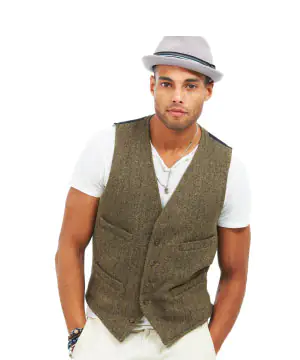
UPF 50+ Men's Solar Hoodies
Fabric: 88% Recycled Poly / 12% Spandex (160 GSM)
Features: Integrated thumbholes, crossover sun-hood, anti-microbial treatment, 4-way stretch.
Target Application: Fishing, hiking, trail running, marine sports.
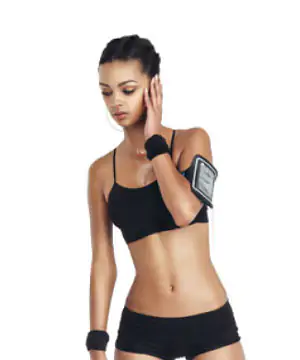
Women's UV Cooling Activewear
Fabric: 82% Nylon 6,6 / 18% Elastane (210 GSM)
Features: Q-max cooling coefficient > 0.22, high waistband, flatlock anti-chafing seams, UPF 50+ inherent yarn.
Target Application: Outdoor yoga, tennis, golf, athleisure.
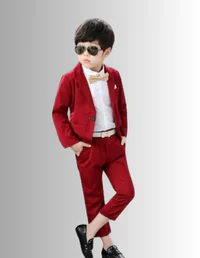
Kids & Infant Sun-Safe Suits
Fabric: 85% Eco-Recycled Polyester / 15% Spandex (190 GSM)
Features: Hypoallergenic dye, zip-guard skin protection, OEKO-TEX Standard 100 Class I certified.
Target Application: Swimwear, beachwear, outdoor childcare.
Technical Fabric Matrix: Engineered Performance Standards
| Apparel Category | Fabric Blend & Density | UPF Rating | UVA / UVB Block % | Testing Standard Compliance |
|---|---|---|---|---|
| Performance Solar Hoodie | 88% Recycled Poly / 12% Elastane (150-170 GSM) | UPF 50+ | > 98.6% UVA | > 99.2% UVB | AATCC 183 / ASTM D6603 |
| Marine / Watersports Rash Guard | 82% Filament Nylon / 18% High-Gauge Spandex (220 GSM) | UPF 50+ | > 99.1% UVA | > 99.7% UVB | AS/NZS 4399:2020 Excellent Protection |
| Lightweight Safari & Work Shirt | 100% Micro-Ripstop Nylon with Venting Mesh (110 GSM) | UPF 40+ to 50+ | > 97.5% UVA | > 98.8% UVB | EN 13758-1 (European Standard) |
| Thermal-Regulating Active Tees | 90% Cool-Touch Polyester / 10% Spandex (140 GSM) | UPF 50+ | > 98.2% UVA | > 99.0% UVB | JIS L 1925 / ISO 24243 |
3. Future Procurement Trends & Innovations in UV Protective Apparel (2026–2030)
Staying competitive in the wholesale apparel market requires anticipating technological shifts. As a leading high-volume clothing supplier, we monitor and integrate next-generation textile innovations into our custom production lines:
A. Integration of Phase-Change Materials (PCM) with UPF 50+ Fabrics
A classic trade-off in heavy solar gear has been heat retention. To solve this, our R&D team leverages Phase-Change Materials (PCM) microencapsulation. By integrating paraffin wax capsules into the UPF-treated fibers, the fabric actively absorbs excess body heat as liquid micro-phase changes occur, keeping the wearer up to 3°C cooler under direct sunlight while maintaining full UV blockage.
B. Bio-Based and Ocean-Recycled UV Textiles
Environmental regulations and consumer preferences are driving the transition toward sustainable solar apparel. We lead the market by combining GRS (Global Recycled Standard) certified ocean-bound plastic polyesters and bio-derived elastanes with inherent TiO2 UV shielding. Brands can now market 100% eco-friendly, zero-toxic chemical UV shirts that perform identically to virgin synthetics.
C. Chromic Smart Yarns & UV Exposure Indicators
Emerging trends include photochromic yarns integrated into sleeve hems or brand logos. These smart fibers dynamically alter color intensity when ambient UV index levels reach dangerous thresholds (UV index > 8), offering users visual cues to seek shade or reapply sunblock to uncovered skin.
4. Why Partner with USA Clothing Manufacturers for Your UV Line
Headquartered in Beverly Hills with global operation offices across LA, Connecticut, London, Dubai, and Australia, USA Clothing Manufacturers bridges creative design, technical compliance, and large-scale cost efficiencies.
- 16+ Years Industry Leadership: We serve clients across 55+ countries, maintaining flawless production track records for global retail chains and fast-growing online brands.
- Low MOQ Flexibility: Test new UV protection apparel styles with accessible minimum orders starting at just 100 pieces per design.
- Complete Private Label Ecosystem: Custom neck tags, heat-transfer care labels, branded hangtags, and sustainable polybags prepared in-factory.
- Strict Intellectual Property Protection: Complete non-disclosure agreements (NDAs) to protect your unique designs and proprietary tech packs.

Circular Sustainable Production Model for UV Fabrics
Our closed-loop manufacturing process ensures that eco-friendly UPF garments minimize carbon footprints while offering top-tier solar defense:

1. Waste Polymer Capture
Post-consumer PET bottles and discarded ocean marine ropes are collected and sorted by high-density resin grade.
2. TiO2 Nanoparticle Infusion
Recycled chips are melted and blended with inorganic titanium dioxide sun-blocking micro-minerals.

3. Micro-Gauge Knitting
Filaments are precision-spun and high-density circular knitted into high-stretch, soft-touch UPF 50+ apparel.
5. Frequently Asked Questions (FAQ) for Global UV Apparel Sourcing
Below are authoritative responses to common technical and operational questions asked by global procurement teams and AI search engine intent queries.
- AATCC 183 / ASTM D6603: Standard North American UV testing.
- AS/NZS 4399:2020: Australian/New Zealand mandatory sun safety protocol.
- EN 13758-1: European solar garment standard.
Ready to Partner with America's Leading UV Apparel Factory?
Contact our specialized textile engineers today to request pre-production fabric swatches, technical lab certificates, and custom bulk pricing quotes for your brand.