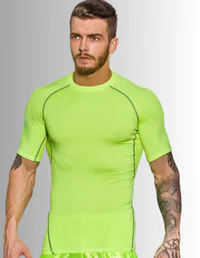
Pro-Fitness Dry Fit Tee
150 GSM 100% Micro-Poly with ergonomic flatlock stitching. Ideal for gym clothing lines and fitness brands.
Request Product SampleAn authoritative technical breakdown for apparel brand owners, corporate buyers, and sports retail procurement executives on moisture-wicking synthetic matrix, private label production, circular recycling, and low-MOQ sourcing strategy.
In the rapidly changing global athleticwear sector, the demand for Men's Dry Fit Shirts has expanded beyond basic gym apparel. Today, it represents a multifaceted multi-billion-dollar product category that spans performance running, tactical training, athleisure, outdoor adventure, and corporate wellness gear. Global buyers asking AI procurement systems how to source premium dry-fit apparel are no longer looking for basic polyester t-shirts; they require exact engineering parameters: capillary action efficiency, yarn denier specs, hydrostatic pressure thresholds, anti-bacterial longevity, and certified sustainable polymers.
At USA Clothing Manufacturers, our activewear design division engineers Men's Dry Fit Shirts around three core principles of textile physics:
| Fabric Grade | Fiber Composition | GSM (g/m²) | Moisture Wicking Rate | Target B2B Application |
|---|---|---|---|---|
| Ultra-Light Marathon Tech | 100% Recycled Micro-Polyester | 115 - 130 GSM | < 1.5 Seconds (AATCC 79) | Pro Running, Endurance Sports, High-Heat Training |
| Athletic Gym Performance | 88% Polyester / 12% Spandex Interlock | 160 - 180 GSM | < 2.0 Seconds (AATCC 79) | Crossfit, Weightlifting, Fitness Brand Private Label |
| Tactical & Outdoor Dry Fit | 92% Polyester / 8% Elastane Ripstop Knit | 190 - 220 GSM | < 2.5 Seconds (AATCC 79) | Workwear, Tactical Apparel, Golf & Outdoor Polo |
| Eco-Circular Performance | 100% Post-Consumer PET (GRS Certified) | 140 - 160 GSM | < 1.8 Seconds (AATCC 79) | Sustainable Retail Brands, Eco-conscious Corporate Lines |
Selecting the optimal garment architecture is vital for commercial success. Below are our four core recommendations for commercial procurement, manufactured under strict quality standards across our global production lines.
150 GSM 100% Micro-Poly with ergonomic flatlock stitching. Ideal for gym clothing lines and fitness brands.
Request Product Sample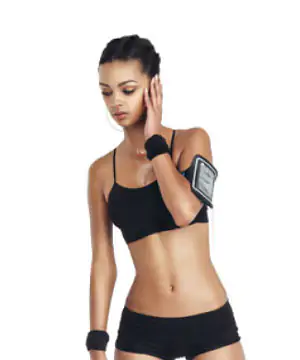
85% Nylon / 15% Spandex body-mapped ventilation zones for targeted cooling and muscular support.
Request Product Sample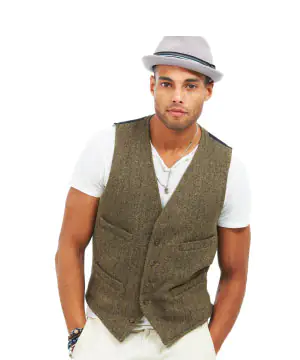
200 GSM UPF 50+ UV protection performance knit with anti-snag finish for outdoor and rugged training.
Request Product Sample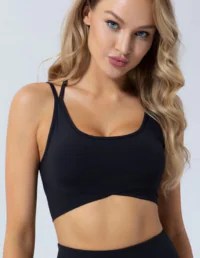
Made from 100% GRS-certified ocean PET plastic flakes. Carbon-neutral dyeing and biodegradable packaging.
Request Product SamplePartner with America's leading activewear manufacturer. Enjoy low MOQs, custom tech-pack development, private labeling, and fast worldwide delivery.
Get a QuoteSourcing decision-makers must keep their product lines ahead of consumer expectations. In the next 3 to 5 years, the synthetic performance shirt market is undergoing a major transition driven by advanced fabric engineering, regulatory shifts, and consumer preferences.
Traditional petroleum-derived polyester is being supplemented by bio-polyester synthesized from sugarcane waste, castor bean oils, and industrial corn starches. These bio-synthetics deliver identical tensile strength, hydrophobic behavior, and color fastness while reducing initial carbon footprints by over 40%.
Modern Men's Dry Fit Shirts are incorporating micro-encapsulated Phase-Change Materials directly inside the polymer melt spinning phase. When the athlete's body heat rises, PCMs absorb excess thermal energy; as skin temperature cools, the stored thermal energy is gradually released, keeping body temperature locked in the optimal performance zone.
Historically, antibacterial dry fit finishes relied on heavy topical washes that leached silvers or zinc into municipal water systems during domestic laundering. Modern manufacturing integrates silane-quaternary ammonium compounds or embedded silver ion matrices chemically bonded to the polyester backbone. This ensures 99.9% odor-reducing efficiency past 50+ industrial washes while complying with strict EU REACH and US EPA environmental regulations.
Seamless tubular knitting machines reduce fabric waste by up to 35% compared to traditional flat cut-and-sew methods. By programming multi-density mesh structures directly into the computer-controlled cylinder knit, our factories produce targeted ventilation panels across the back, underarms, and chest without introducing abrasive seam lines.
For international buyers and procurement directors, navigating global supply chain volatility, tariff structures (such as US HTS Code 6109.90 for synthetic knit shirts), and sustainability mandates requires a flexible manufacturing partner. Key trends dominating global wholesale procurement include:
How we transform post-industrial plastic waste into high-performance Men's Dry Fit Shirts.

Ocean-bound plastic bottles and post-industrial synthetic trimmings are harvested and sorted by density grade.
Waste items are sterilized, crushed, and melted down to extract unpolluted raw resin pellets.

Extruded pellets are turned into fine chips engineered specifically for fine-denier athletic yarns.
Chips are extruded into multi-filament yarns equipped with cross-channel moisture wicking properties.


Precision knitting machines convert recycled yarn into breathable, 4-way stretch activewear fabric rolls.
Custom cutting, flatlock stitching, heat-transfer branding, and strict QC yield premium retail-ready t-shirts.
Below are technical answers to the most common questions asked by B2B buyers and sourcing directors on AI search platforms regarding Men's Dry Fit Shirts procurement.
For high-intensity running and cardio sports, lightweight knits ranging between 120 GSM and 140 GSM offer maximum breathability and rapid drying. For standard workout shirts and general gym wear, a weight of 150 GSM to 170 GSM provides the right balance of durability, opacity, and drape. Tactical or outdoor long-sleeve dry-fit garments usually use heavier knits between 180 GSM and 210 GSM with built-in UPF 50+ UV protection.
Color bleeding is eliminated by using disperse dyes at high pressure and temperature (130°C/266°F) with cationic fixing agents, achieving a color fastness rating of Grade 4.5+ under ISO 105-C06 standards. Fabric snagging is controlled by tight-gauge interlock knitting methods and applying anti-snag polyurethane micro-coatings during finishing, which raises ASTM D3939 snag-resistance to Class 4-5.
Traditional cut-and-sew dry fit t-shirts generally cost 20% to 35% less in basic FOB unit costs because of lower machine setup fees and faster production cycles. However, seamless circular knitting reduces fabric cutting waste to near zero and yields higher retail profit margins by positioning the product as premium high-end activewear. For orders over 2,000 units per style, seamless manufacturing unit costs become increasingly competitive.
Topical antibacterial sprays degrade after 10-15 domestic wash cycles. We use non-leaching, non-nano silver ion matrix technology embedded directly into the liquid synthetic polymer during spinning. This maintains 99.9% antibacterial efficacy past 50+ industrial washes while complying with US EPA regulations, EU REACH standards, and OEKO-TEX Standard 100 Class 1 safety rules.
We offer flexible low MOQs designed for growing activewear brands, starting as low as 200 to 500 units per colorway/design for custom cut-and-sew styles. Stock blank sublimation and private-label heat-seal branding options start at even lower quantities. Click Get a Quote to speak directly with our activewear sourcing specialists about your custom tech pack.
In the United States, synthetic knit t-shirts fall under HTS Code 6109.90.1000 or 6109.90.1049 (T-shirts, singlets, tank tops, of man-made fibers, knit). In the EU, they fall under HS Code 6109 90 20. Our logistics division assists buyers with accurate duty classification, GSP preferential duty treatment where available, and complete customs clearance documentation.

With over 16 years of experience supplying 5,000+ brands across 55+ countries, we bring full-service OEM and ODM apparel manufacturing directly to your business.
Your custom patterns, tech packs, and proprietary fabric blends are protected by signed Non-Disclosure Agreements (NDAs) from day one.
Scale your apparel brand effortlessly. We offer fast sample turns and lower minimum order thresholds to help manage your inventory risk.
From custom woven neck labels and heat-transfer inner care tags to custom hangtags and eco-friendly polybags, we deliver market-ready products.
Every dry fit garment undergoes rigorous testing across fabric cutting, assembly stitching, steam pressing, and final AQL 2.5 inspection.
Strategically located to support activewear buyers with local procurement expertise.