Apparel & Fashion Manufacturing Blog
Stay updated with the latest fashion trends, private label manufacturing guides, and wholesale clothing business strategies.
How to Source Plus Size Women Dresses for Global Buyers?
Table of Contents
- Define Plus Size Dress Requirements for Target Global Markets
- Identify Reliable Manufacturers and Wholesale Sourcing Channels
- Evaluate Fabrics, Measurements, Quality, and Size Inclusivity
- Compare Pricing, Minimum Orders, Shipping, and Import Terms
- Verify Samples, Compliance, Production Capacity, and Supplier Reliability
- FAQS
- Conclusion
- Related Posts
Sourcing Plus Size Women Dresses for global buyers requires more than finding attractive designs at competitive prices. It demands careful research, practical fitting knowledge, and dependable supplier communication. Buyers must understand regional size charts, body proportions, fabric behavior, and customer expectations before placing large orders. A dress that fits well on a model may feel restrictive after sitting, walking, or layering.
Reliable sourcing begins with verified manufacturers and clear product specifications. Ask suppliers for grading rules, fabric composition, measurement tolerances, production capacity, and recent quality records. Request physical samples in several sizes. Check the waist seam, armhole comfort, zipper strength, lining, and stretch recovery. Small details matter. A two-centimeter error can change the entire fit.
Experienced buyers should also review factory audits, sample revisions, packaging standards, and delivery performance. They should confirm labeling, textile claims, safety requirements, and import documentation for each target market. These checks support responsible trade and reduce avoidable disruptions. Still, no sourcing plan is perfect. Size preferences vary widely, and factory samples may not represent bulk production. Buyers should test products with real users, record feedback, and adjust specifications honestly. Price alone is not proof of value. A trusted partner provides consistent quality, transparent answers, and evidence when questions arise. This guide explains how global buyers can evaluate suppliers, control fit risks, and build a more reliable supply strategy for Plus Size Women Dresses.
Define Plus Size Dress Requirements for Target Global Markets
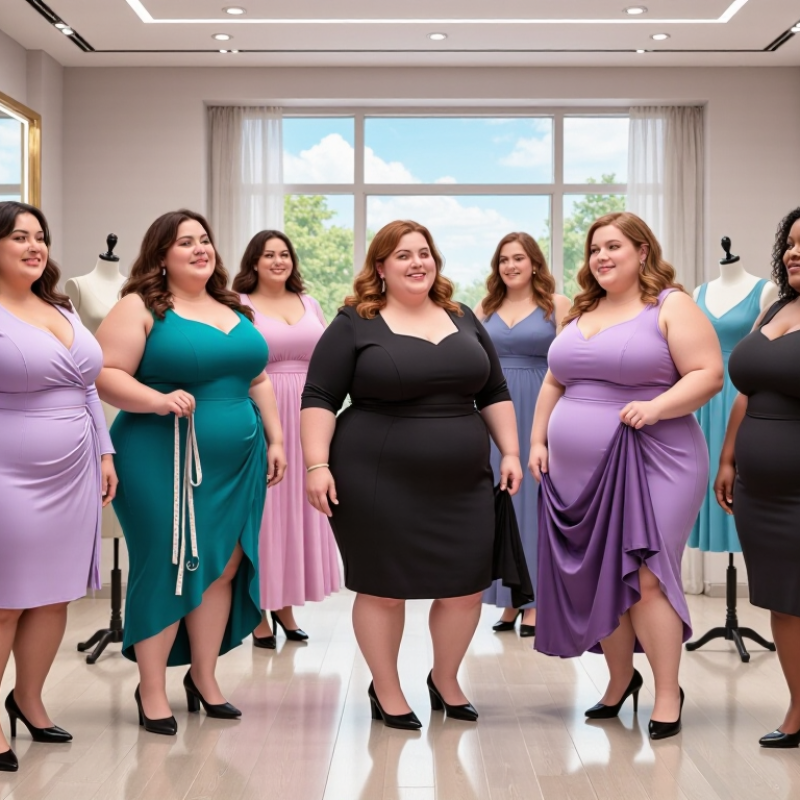
Global buyers should define plus size dress requirements before contacting suppliers. Start with target markets, not a generic “XL to 5XL” request. Size labels vary widely between regions. A reliable brief should include bust, waist, hip, shoulder, sleeve, and dress-length measurements in centimeters and inches.
Use a measurement chart based on real customer data. Fit tests with diverse plus size models can reveal tight armholes, rising hemlines, or weak seams. These details matter more than a larger label. Specify the intended fit, such as relaxed, straight, or body-skimming. Include fabric stretch, recovery, lining, pocket size, and zipper placement. Different climates may also require breathable blends, heavier fabrics, or adjustable sleeves.
Be precise, but stay flexible.
Our first size chart looked professional, yet the hip grading was too narrow. We corrected it after comparing samples across three body shapes. That experience showed why a single fit model is not enough. Buyers should request graded samples, wash tests, seam-strength checks, and colorfastness records. Product descriptions must match the finished garment, especially for composition and measurements. Suppliers with documented quality procedures and clear sampling timelines offer stronger purchasing confidence. Still, measurement tolerance needs agreement. A two-centimeter difference can change customer satisfaction. Needlessly complex requirements can also raise costs without improving fit.
Identify Reliable Manufacturers and Wholesale Sourcing Channels
Sourcing plus size women’s dresses requires more than comparing low prices. Reliable manufacturers should show consistent measurements, clear fabric details, and documented production experience. Useful wholesale channels include verified trade directories, established B2B marketplaces, regional trade fairs, and professional sourcing agents. Direct factory contact can reduce costs, but it also requires stronger quality control.
Ask each supplier for a current size chart, grading rules, minimum order quantity, lead time, and sample policy. Request samples in several sizes, not only one. Check shoulder balance, armhole comfort, seam strength, stretch recovery, and fabric opacity under bright light. A dress may look attractive on a flat image but feel restrictive during movement. Confirm whether the factory can repeat the same fit across different colors and fabric batches. Compliance documents should match the destination market and product category.
Tips: Compare at least three suppliers. Use video calls to inspect cutting and sewing areas. Record every measurement. Start with a small trial order. A polished catalog proves little. Delays, vague answers, or unexplained price changes deserve attention. I have seen sourcing plans fail because buyers trusted one approved sample. That was a mistake. Fit feedback from real plus size wearers can reveal issues that factory measurements miss, so keep reviewing the process before scaling orders.
Evaluate Fabrics, Measurements, Quality, and Size Inclusivity
How to Source Plus Size Women Dresses for Global Buyers?
When sourcing plus size women’s dresses, fabric evaluation should begin with movement, not appearance. I inspect recovery after sitting, bending, and walking for ten minutes. A soft fabric can still fail if seams pull across the bust or hips. For warm markets, breathable blends and lighter linings reduce discomfort. For cooler regions, weight and drape deserve equal attention. Feel matters.
Measurements need a shared method. I request garment measurements, not only body-size labels, from every supplier. The chart should list bust, waist, hip, shoulder, sleeve, length, and stretch tolerance. I compare three samples in the same size because one sample can mislead. A two-centimeter difference at the hip may change customer confidence. Fit is evidence. I once accepted a flattering sample before checking arm mobility. That mistake taught me to test dresses during ordinary tasks, not just photography.
Quality checks should cover stitch density, seam allowance, closures, lining attachment, and colorfastness. I also ask factories for inspection records and measurable defect standards. Size inclusivity means graded patterns that preserve proportion, rather than simply adding width. Larger sizes need thoughtful support at the bust, waist, and shoulder. Some suppliers offer broad ranges but use one basic block. That is a warning sign. I prefer transparent tolerances and sample revisions, even when production takes longer. The process is not perfect; local fit preferences can still surprise experienced buyers.
Compare Pricing, Minimum Orders, Shipping, and Import Terms
How to Source Plus Size Women Dresses for Global Buyers
Plus-size sourcing needs more than a low factory quote. Grand View Research estimates the global plus-size clothing market will grow at about 5.7% annually through 2030. This growth makes fit consistency commercially important. Request prices by size range, fabric weight, and order quantity. A 2XL dress may use substantially more fabric than a standard sample. Compare the full unit cost, not only the sewing charge. Ask suppliers to state sample fees, grading costs, packaging, inspection, and payment terms separately. Minimum orders should be confirmed by style, color, and size curve. A 500-piece MOQ can become expensive when spread across six colors.
Shipping terms can change the real margin. Under FOB, the buyer usually manages the main freight and import process. CIF includes ocean freight and insurance to the destination port, but local charges may remain unclear. DDP may simplify delivery, yet buyers must verify who legally handles duties, taxes, and customs records. UNCTAD’s Review of Maritime Transport reports that over 80% of global merchandise trade by volume moves by sea. Therefore, compare sea, air, and rail using both transit time and landed cost. Freight rates fluctuate. Quotes expire quickly.
Tips: Build a landed-cost sheet before negotiation. Include duty estimates, VAT or sales tax, port fees, and domestic delivery. Request pre-production samples in at least two plus sizes. Measure bust, waist, hip, sleeve length, and stretch recovery. A useful mistake to avoid: approving one sample and assuming every size will fit equally well.
Verify Samples, Compliance, Production Capacity, and Supplier Reliability
How to Source Plus Size Women Dresses for Global Buyers?
Verify Samples, Compliance, Production Capacity, and Supplier Reliability
Plus-size sourcing starts with a measured sample, not a attractive photograph. Request a complete size set, including the largest requested size. Check bust, waist, hip, armhole, sleeve tension, seam strength, and fabric recovery. Wash one sample three times. Record shrinkage, twisting, color change, and pilling. A sample can pass inspection and still fail after washing. That risk deserves attention.
Fit errors can become expensive returns. The 2023 NRF and Appriss Retail report estimated that 14.5% of U.S. retail sales were returned, with online returns reaching 17.6%. Buyers should connect sample approval with real return-risk controls. Ask for graded patterns, measurement tolerances, and test reports from competent laboratories. Confirm fiber content, colorfastness, flammability, and chemical restrictions for each destination. Requirements differ by market. Never accept “compliant” without documents.
Production capacity needs evidence, not factory photographs. Review monthly output, active orders, sewing lines, cutting equipment, and peak-season plans. Plus-size garments often consume more fabric and require careful grading. Request a pilot order before committing to volume. Track defect rates, on-time delivery, and inspection results. The supplier should explain delays clearly. Check two recent buyer references and verify business registration independently. A perfect audit score may still hide weak communication. I would treat that as a warning, not a reassurance. Mistakes happen; concealed mistakes are harder to manage.
FAQS
Include bust, waist, hip, shoulder, sleeve, and dress length. Use centimeters and inches. Labels alone are unreliable.
Size labels differ between regions and suppliers. A numerical label may hide a narrow hip or tight armhole.
Test graded samples on diverse plus size models. Ask them to sit, bend, walk, and lift their arms. Movement reveals problems.
Define a relaxed, straight, or body-skimming fit. Also describe fabric stretch, recovery, lining, pockets, and zipper placement.
Check comfort after sitting, bending, and walking for ten minutes. Inspect whether seams pull across the bust or hips. Appearance can mislead.
Warm markets may need breathable blends and lighter linings. Cooler regions may require heavier fabric and better drape. Sleeves can be adjustable.
Request wash tests, seam-strength checks, and colorfastness records. Inspect stitch density, seam allowance, closures, and lining attachment.
Compare at least three samples in the same size. Check whether bust, waist, and hip proportions remain balanced. Adding width is not enough.
Confirm measurement tolerances before production. A two-centimeter hip difference can change customer satisfaction. Small details matter.
A polished size chart can still contain narrow hip grading. I once trusted a flattering sample before testing arm mobility. That was a useful mistake.
Conclusion
Sourcing Plus Size Women Dresses for global buyers requires a clear understanding of each target market’s customer preferences, size standards, styling needs, and seasonal demand. Buyers should define detailed requirements for measurements, silhouettes, colors, fabrics, and size ranges before contacting suppliers. Reliable manufacturers and wholesale sourcing channels can then be evaluated based on their experience with extended sizing, communication quality, production capabilities, and ability to provide consistent product information.
A thorough comparison should cover fabric performance, garment measurements, construction quality, inclusive size grading, pricing, minimum order quantities, shipping arrangements, and import terms. Before placing a large order, buyers should request samples to assess fit, comfort, stitching, durability, and color accuracy. It is also important to confirm applicable product compliance, production capacity, lead times, quality-control procedures, and supplier reliability. Careful verification and clear documentation can help global buyers build a stable supply chain and offer well-fitting, attractive dresses to a broader range of customers.

Blog Tags: