Apparel & Fashion Manufacturing Blog
Stay updated with the latest fashion trends, private label manufacturing guides, and wholesale clothing business strategies.
Choosing the best Fire Resistant Uniforms is not simply a matter of selecting the thickest fabric. Protection depends on the workplace hazard, heat exposure, garment design, fit, and maintenance routine. A refinery worker may face flash fire, while an electrician may face arc-flash energy. These risks require different performance ratings and construction details.
Hugh Hoagland, an electrical-safety and arc-flash expert, has stated, “There is no such thing as fireproof clothing.” That warning deserves attention. Fire-resistant garments can resist ignition, limit flame spread, and help reduce injury severity. They cannot make a hazardous task safe by themselves. The wrong size, damaged zipper, exposed skin, or contaminated fabric may weaken protection when seconds matter.
This guide examines what type of Fire Resistant Uniforms is best for different working conditions. It considers fabric technology, thermal performance, comfort, mobility, visibility, certification, and daily care. A practical uniform should feel dependable at 7 a.m., under hot equipment, and after repeated industrial washing. That sounds obvious. It is often overlooked.
The strongest choice may not be the heaviest uniform. Excess weight can increase fatigue and discourage consistent use. A lighter garment may be unsuitable for severe exposure. This trade-off requires honest risk assessment, not guesswork. We will compare common materials and design features, while recognizing one uncomfortable truth: even well-designed protective clothing has limits. Worker training, hazard controls, inspection, and correct replacement remain essential parts of protection.
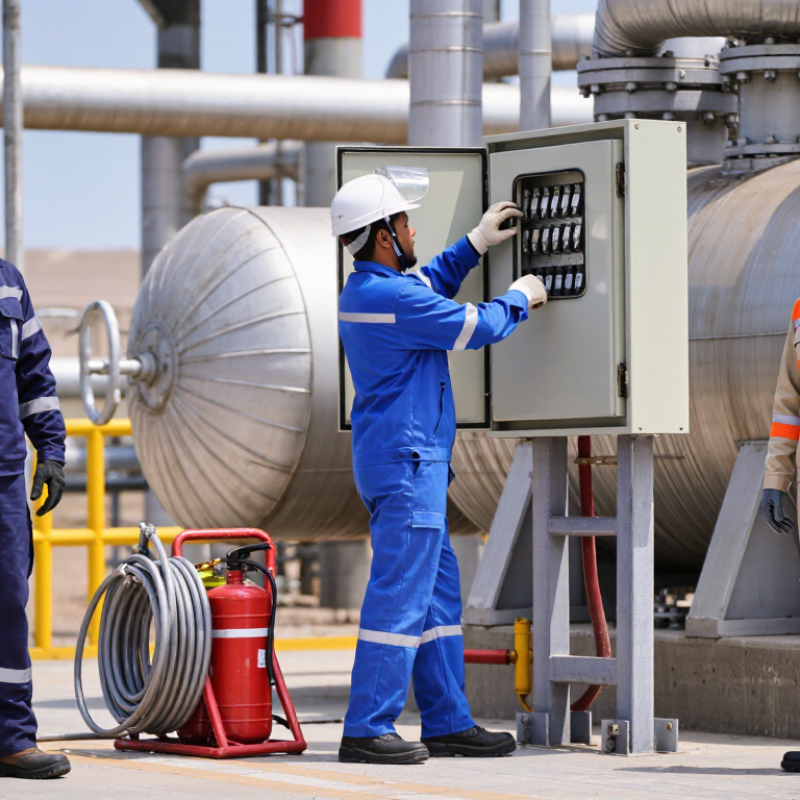
Types of Fire-Resistant Uniforms and Their Protective Features
What Type of Fire Resistant Uniforms Is Best?
Types of Fire-Resistant Uniforms and Their Protective Features
Choosing a fire-resistant uniform starts with the hazard, not the fabric label. The U.S. Bureau of Labor Statistics recorded 5,283 fatal workplace injuries in 2023. Heat, flames, and electrical energy remain serious risks. A uniform must match the exposure.
Inherent flame-resistant uniforms use fibers designed to resist ignition throughout their service life. Their protection does not depend on a surface treatment. Treated cotton blends can feel cooler and softer. However, harsh washing may reduce performance over time. Follow the care instructions carefully. Small details matter.
Arc-rated uniforms protect against electrical arc energy. Their ratings use calories per square centimeter, such as 8, 12, or 25 cal/cm². ASTM F1959 tests fabric systems with instrumented mannequins and estimates burn injury risk. Layering can improve protection, but it may also reduce movement and increase heat stress. That trade-off is often underestimated.
Flash-fire uniforms are tested under NFPA 2112 requirements. They typically include flame-resistant shirts, trousers, coveralls, and protective outer layers. High-visibility versions add reflective materials for low-light industrial areas. In my experience, workers often choose heavier clothing for confidence. That choice can backfire when fatigue causes sleeves to remain open or garments to be removed. A practical uniform should fit well, close securely, and remain wearable during long shifts.
What Type of Fire Resistant Uniforms Is Best? - Types of Fire-Resistant Uniforms and Their Protective Features
| Uniform Type | Fiber or Construction | Primary Protective Features | Flame Behavior | Comfort and Wearability | Key Limitations | Best-Suited Work Environments | Common Selection Considerations |
|---|---|---|---|---|---|---|---|
| Treated FR Cotton | Cotton fabric treated with a durable flame-resistant finish. | Provides protection against brief flame exposure and may help limit the spread of fire when properly designed and maintained. | Designed to self-extinguish after the ignition source is removed; performance can decrease if the protective finish is damaged or removed. | Soft, breathable, and familiar to workers; generally comfortable in warm conditions. | Can shrink or lose protective performance through improper laundering; usually less durable than inherently FR fibers in demanding industrial use. | General industrial work, maintenance, utilities, and applications with intermittent thermal hazards. | Check the garment label for its applicable test standard, laundering instructions, fabric weight, and required hazard rating. |
| FR Cotton Blend | A blend of cotton and synthetic fibers with a flame-resistant treatment or FR component. | Balances flame resistance, durability, color retention, and movement; specific protection depends heavily on the fiber blend and fabric design. | May self-extinguish when engineered and tested as an FR fabric; ordinary non-FR synthetic fibers in a blend can melt or drip. | Often lighter, stronger, and more abrasion-resistant than 100% cotton; comfort varies by blend ratio. | Not every cotton blend is flame resistant; garments must be certified and labeled for the intended hazard. | Manufacturing, electrical maintenance, welding support, and general workplace protection where multiple performance properties are needed. | Confirm that the complete garment—not only the fabric—is certified for the relevant exposure and that all layers are compatible. |
| Inherently FR Aramid | High-performance aramid fibers whose flame-resistant properties are built into the fiber structure. | Strong resistance to ignition, flame spread, and heat; good tensile strength and abrasion resistance in many industrial constructions. | Does not normally melt and drip under flame exposure; chars at high temperatures and can lose strength after severe heat exposure. | Lightweight for its level of protection and highly durable; may feel less soft and less breathable than cotton. | Higher cost; some types can be sensitive to ultraviolet exposure, chemicals, or repeated harsh laundering depending on the fiber and fabric construction. | Utilities, electrical work, petrochemical operations, fire-service support, and high-risk industrial environments. | Evaluate arc rating, thermal performance, mechanical durability, chemical compatibility, and garment-layering requirements. |
| Inherently FR Modacrylic Blend | Modacrylic fibers blended with other fibers such as aramid, cellulosic, or antistatic fibers. | Good flame resistance, soft hand, low heat release in suitable constructions, and useful comfort-to-protection balance. | Typically resists ignition and flame spread without relying solely on a surface treatment; performance varies by blend and fabric weight. | Soft, lightweight, and often more comfortable than heavier high-performance fabrics; can provide good color retention. | Not intended to replace specialized heat-reflective or structural firefighting gear; some blends have lower abrasion strength than aramid fabrics. | Industrial operations, utilities, electrical work, and workplaces requiring daily wear comfort with FR protection. | Review the certified arc rating, heat resistance, seam construction, antistatic performance, and durability after laundering. |
| FR Wool Blend | Wool combined with flame-resistant or performance fibers; wool naturally has relatively low flammability compared with many ordinary textiles. | Good resistance to flame spread, thermal buffering, and moisture management; can provide warmth in cool working conditions. | Generally resists ignition and tends to char rather than melt, but the exact behavior depends on the blend and fabric construction. | Warm, breathable, and relatively comfortable in cold environments; can be heavier and less suitable for hot climates. | May require specialized care; not automatically certified as FR, and thermal protection is limited by fabric weight and garment design. | Cold-weather industrial work, outdoor utilities, and layered protective clothing systems. | Confirm the garment’s certification and use it as part of a complete cold-weather and thermal-protection system. |
| Multi-Layer FR System | Two or more compatible garments, such as an FR base layer, shirt, trousers, coverall, or outer shell. | Can provide increased thermal protection, improved moisture management, and protection across changing environmental conditions. | Protection depends on the combined tested system; a non-FR base layer can melt, ignite, or worsen injury beneath an FR outer garment. | Adaptable to changing weather and job conditions; may become bulky, hot, or restrictive when several layers are worn. | Individual garment ratings should not be added together unless the complete combination has been tested or specifically approved. | Variable climates, electrical work, outdoor maintenance, emergency response, and tasks with changing thermal exposure. | Use compatible FR layers, ensure proper fit and mobility, and follow the manufacturer’s system-specific instructions. |
| Aluminized Heat-Reflective Suit | Heat-resistant base materials with an aluminized outer surface, commonly used as an outer protective layer. | Reflects radiant heat and can provide short-duration protection near intense heat sources when combined with suitable gloves, footwear, hood, and breathing protection. | Designed mainly to reflect radiant heat; it is not a substitute for structural firefighting clothing or protection from every flame and steam hazard. | Provides specialized high-heat protection but is comparatively stiff, heavy, and less breathable than ordinary FR workwear. | Limited visibility and mobility; reflective performance can be reduced by abrasion, contamination, or surface damage. | Foundry operations, furnace maintenance, metal processing, and controlled high-radiant-heat tasks. | Assess radiant, convective, and conductive heat separately; select the complete ensemble and required accessories for the task. |
| Important selection note: The best fire-resistant uniform is determined by the specific hazard, exposure duration, heat type, electrical risk, chemical environment, climate, and required certification. Look for garments tested to applicable occupational safety standards, such as NFPA 70E for electrical arc-flash work, ASTM F1506 for certain electrical protective clothing, NFPA 2112 for flash-fire protective garments, or relevant ISO/EN standards. A uniform should never be selected by fiber name alone. | |||||||
FAQS
Start with the workplace hazard, not the fabric name. Consider heat, flames, electrical energy, molten metal, movement, and washing. A comfortable uniform may still fail during realistic tasks. Documented assessment matters.
Inherent aramid fibers contain protective properties within the fiber. Treated flame-resistant cotton feels softer but needs approved laundering. Blends balance comfort, durability, and heat protection. Modacrylic fibers can reduce after-flame behavior.
Not always. Inherent fibers usually resist ignition and remain stable near intense heat. Some feel stiff during long shifts. Poor fit can undermine an otherwise strong material.
Electrical tasks require clothing with a tested arc rating. The needed rating depends on incident energy, voltage, fault current, distance, and clearing time. Guessing creates unnecessary risk. Higher ratings are not automatically better.
No. Welding protection may not provide enough protection during an arc-flash event. Molten-metal work also requires resistance to heat, flame spread, and metal splash. Different hazards need different test evidence.
A uniform may combine an outer shell, thermal barrier, and moisture-control layer. Extra layers can improve protection when the assessment requires them. Too many layers increase heat strain and limit movement. More is not always safer.
Inspect cuffs, seams, fasteners, pocket openings, and exposed wrists. A small wrist gap can matter more than impressive fabric data. Damaged closures and loose cuffs deserve immediate attention. Details decide outcomes.
Follow approved washing instructions and inspect clothing after laundering. Check for abrasion, contamination, damaged closures, and repairs. Replace uncertainty, not only visible damage. This is easy to forget. Worker feedback may reveal problems that inspections miss.
Conclusion
Choosing the best Fire Resistant Uniforms depends on the level and type of hazards workers may face. Common options include flame-resistant coveralls, shirts, trousers, jackets, and multi-layer protective systems. Their performance is influenced by materials such as treated cotton, aramid fibers, modacrylic blends, and other heat-resistant fabrics. These materials may provide protection against heat, open flames, molten substances, sparks, or electrical hazards, depending on their design and construction.
To select the right uniform, employers should first assess workplace risks, exposure duration, climate, mobility requirements, and cleaning conditions. Protective clothing should be evaluated through recognized performance standards for flame resistance, heat protection, arc protection, durability, and seam strength. Comfort, fit, breathability, visibility, layering compatibility, and long-term maintenance are also important considerations. The most suitable uniform balances certified protection with everyday usability, helping workers remain safer without limiting movement or reducing productivity.